Low-Cost Service Businesses to Start: Cleaning and Dog Grooming
Two service businesses with low start-up costs and loyal, repeat customers, and the basics every new owner needs
Not every new business needs premises, stock or a big loan. Many of the most successful small businesses in the UK are service businesses that can be started from home with modest equipment, a van or a spare room. Two of the most popular are domestic cleaning and dog grooming, and both share the same advantage: customers who come back again and again.
Why service businesses suit first-time owners
- Low start-up costs: you are selling your time and skill, not stock
- Recurring income: regular clients book weekly, fortnightly or every few weeks
- Local demand: most customers come from within a few miles
- Room to grow: you can take on staff once your diary is full
Cleaning: a business built on regular clients
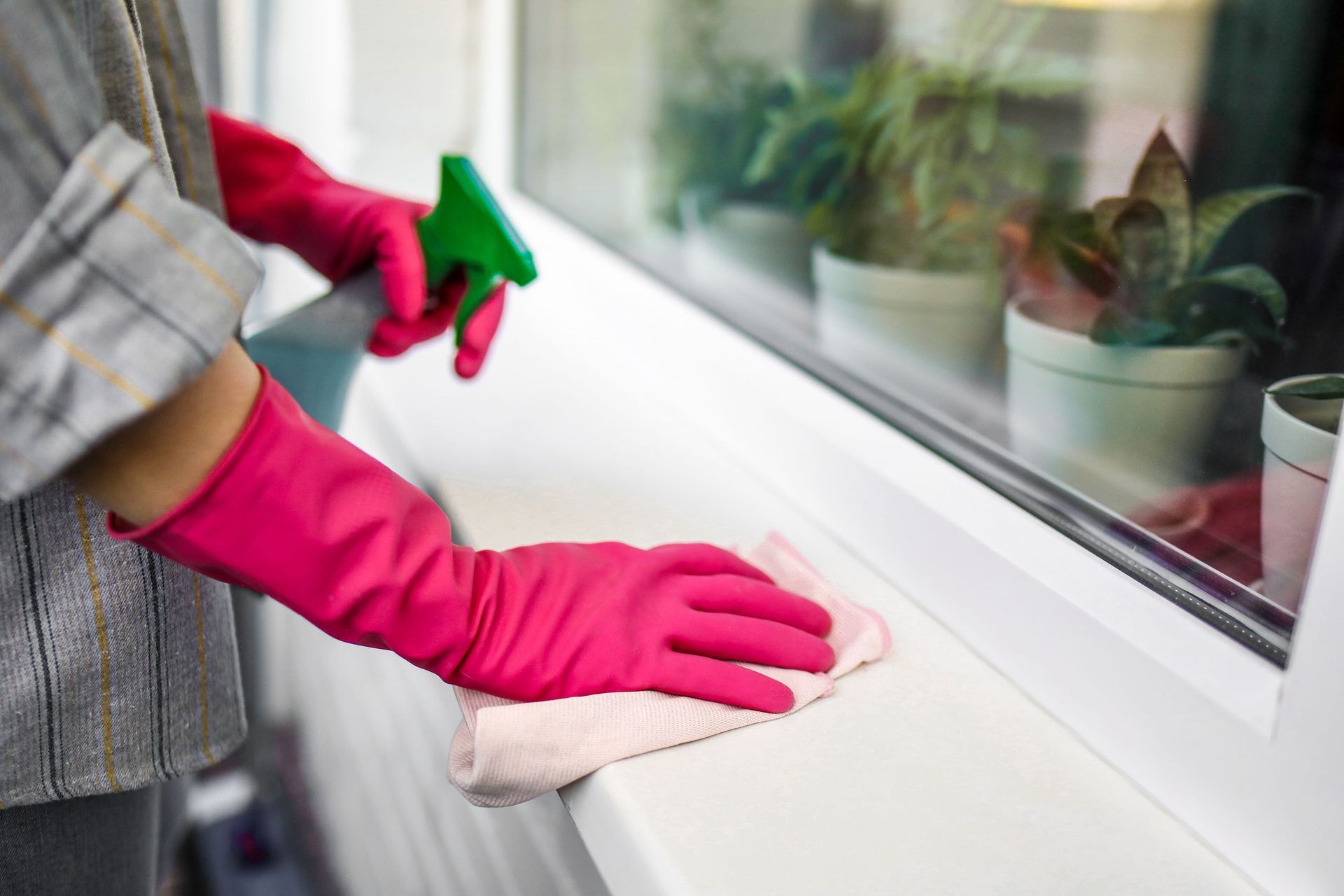
Domestic cleaning is one of the easiest businesses to start. No formal qualification is required, and many cleaners begin with their own equipment and a handful of local clients. The real work is in the set-up: deciding whether you or the client supplies products, getting public liability insurance, and turning one-off cleans into regular bookings.
A practical guide on how to start a cleaning business will walk you through insurance, registration and the realistic costs before you take your first booking.
Dog grooming: skill, kit and a loyal client base
Dog grooming takes more training and equipment than cleaning, but it has a very loyal customer base, as most dogs need grooming every six to eight weeks. Groomers usually work from a salon, a converted room at home or a mobile van, and each option has very different costs.
A recognised qualification is not a legal requirement, but insurers and clients usually expect one. Anyone weighing up how to start a dog grooming business should look at training, insurance and kit costs side by side before choosing a model.
The basics every new business needs
- Register with HMRC: most start as sole traders and register for Self Assessment once their income goes over the £1,000 trading allowance.
- Get insured: public liability cover as a minimum, and employer's liability once you take on staff.
- Set your prices properly: include travel, products, insurance and time off, not just the hours you work.
- Keep records: income, costs and mileage from day one.
- Win reviews early: a Google Business Profile with genuine reviews brings in local work.
Getting support
Many new owners are good at their trade but less confident about pricing, budgeting and marketing. Talking things through with an experienced mentor before you launch can save costly mistakes. One-to-one small business mentoring gives you someone to check your numbers, test your ideas and keep you on track in the first year.
With the right preparation, a service business can grow steadily from a few local clients into a full diary. For more on starting and growing a small business, see our starting a business category.