Recreating Legacy Parts with 3D Design and Printing
How an obsolete or broken component can be redrawn from photos and measurements, prototyped and printed as a working replacement.
Some of the most frustrating breakdowns come down to a small plastic part. A clip on a classic car, a knob on an old machine, a bracket inside an appliance that is no longer made: the part itself may be worth very little, but without it the whole item is out of action. When the original manufacturer has stopped supplying spares, 3D design and printing can often bring the part back.
Starting without a 3D file
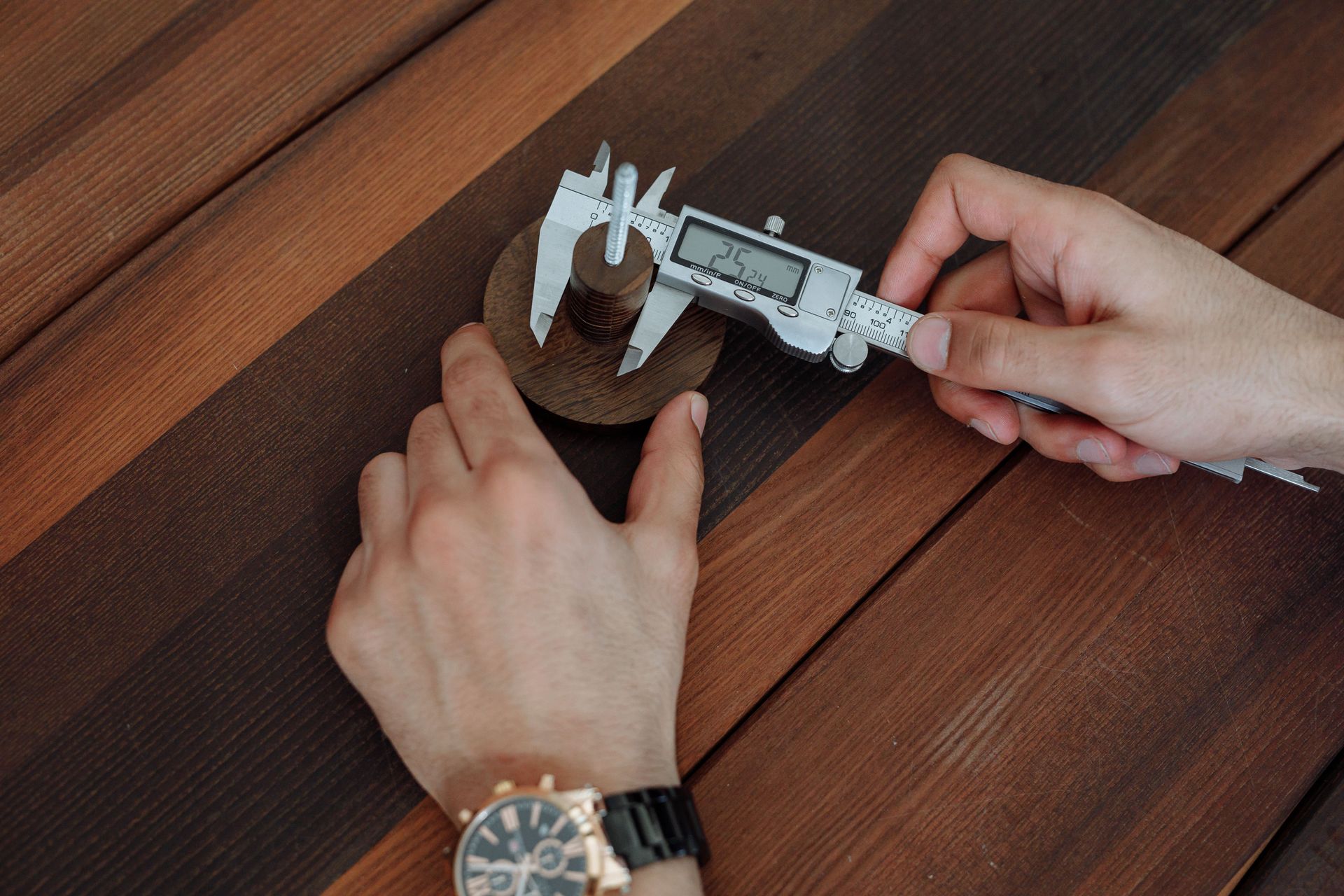
Most people looking for a replacement part do not have a digital model, and they do not need one. A designer can work from the broken part, measurements, photographs taken from several angles or an old technical drawing. Careful measurement, combined with an understanding of how the part fits and moves, is often more useful than a scan alone, because worn or broken areas need to be redrawn as they were meant to be, not as they are now.
The result is a 3D CAD model that can be adjusted, strengthened and checked before anything is printed. When using a 3D design service in Manchester or elsewhere, ask to review the model with its key dimensions before printing starts, and agree how any weak points on the original will be improved.
Prototype first, then the final part
Even a carefully drawn part can need small changes once it meets the real world. A clip may be slightly too tight, a hole may need moving or a wall may need thickening. That is why a quick prototype is so useful: a first version, printed in an inexpensive material, can be test-fitted and adjusted before the final part is made in a stronger one.
Working with a rapid prototyping company means each round of changes can be turned around quickly, so the design is refined in days rather than weeks.
Choosing the right material
- PLA: easy to print and inexpensive, ideal for test-fitting and display parts
- ASA: tougher and more resistant to sunlight and weather, so better for parts used outdoors or on vehicles
- Carbon fibre composites: stiffer and stronger, for brackets and parts under load
Heat, load, sunlight and contact with oils or fuels all influence the choice, so tell the designer exactly where and how the part will be used.
Size and assembly
Commercial printers have a limited build area, so larger items are often printed in sections and joined afterwards. Designing the part with this in mind from the start, with locating features and strong joints, gives a far better result than simply cutting a large model into pieces.
What to have ready
- The original part: even broken, it holds most of the information needed.
- Photos in place: showing how the part fits and what it connects to.
- Key measurements: particularly holes, mounting points and clearances.
- How it is used: loads, temperatures and whether it is indoors or out.
- Quantity: a single replacement or a small batch.
A part that seemed impossible to replace can often be back in use surprisingly quickly. For more on 3D printing services, see our 3D printing category.