Maintaining a Rental Property in South Wales: A Landlord's Guide to Planned and Reactive Repairs
What Welsh landlords must keep in repair, how planned and reactive maintenance work together, and a simple calendar for keeping rental homes in good order.
For landlords, maintenance is where the real return on a rental property is protected or lost. A small leak left for a winter becomes a damp problem, a blocked gutter becomes a stained ceiling, and a slow response to a tenant's report becomes a complaint. In Wales, the rules on what landlords must keep in repair are also clearer than they used to be, which makes a planned approach more important than ever.
What Welsh landlords are responsible for
Since the Renting Homes (Wales) Act 2016 came into force in December 2022, landlords must keep the structure and exterior of a rented home in repair, along with the installations for water, gas, electricity, sanitation and heating. Homes must also be fit for human habitation. In practice that includes:
- Gas safety: an annual gas safety check by a Gas Safe registered engineer
- Electrical safety: an electrical installation condition report at least every five years
- Alarms: working smoke alarms on every storey, and carbon monoxide alarms where there is a gas, oil or solid fuel appliance
- Registration: landlords and agents also need to be registered or licensed with Rent Smart Wales
None of these replace general maintenance. They sit alongside it, and a good maintenance plan makes sure that the routine work and the compliance work are both covered.
Planned maintenance versus reactive repairs
Reactive repairs deal with things after they fail: a burst pipe, a broken lock, slipped slates after a storm. Planned maintenance aims to stop those failures happening in the first place, with scheduled visits to check gutters, roofs, seals, drainage and signs of damp. Most landlords need both, ideally from the same team, so that whoever answers the emergency call already knows the property.
With several properties, the savings add up. A contractor offering property maintenance in Cardiff on a planned basis can keep a written record of each visit, which is useful evidence if a tenant raises a disrepair issue later.
Gutters, roofs and the South Wales weather
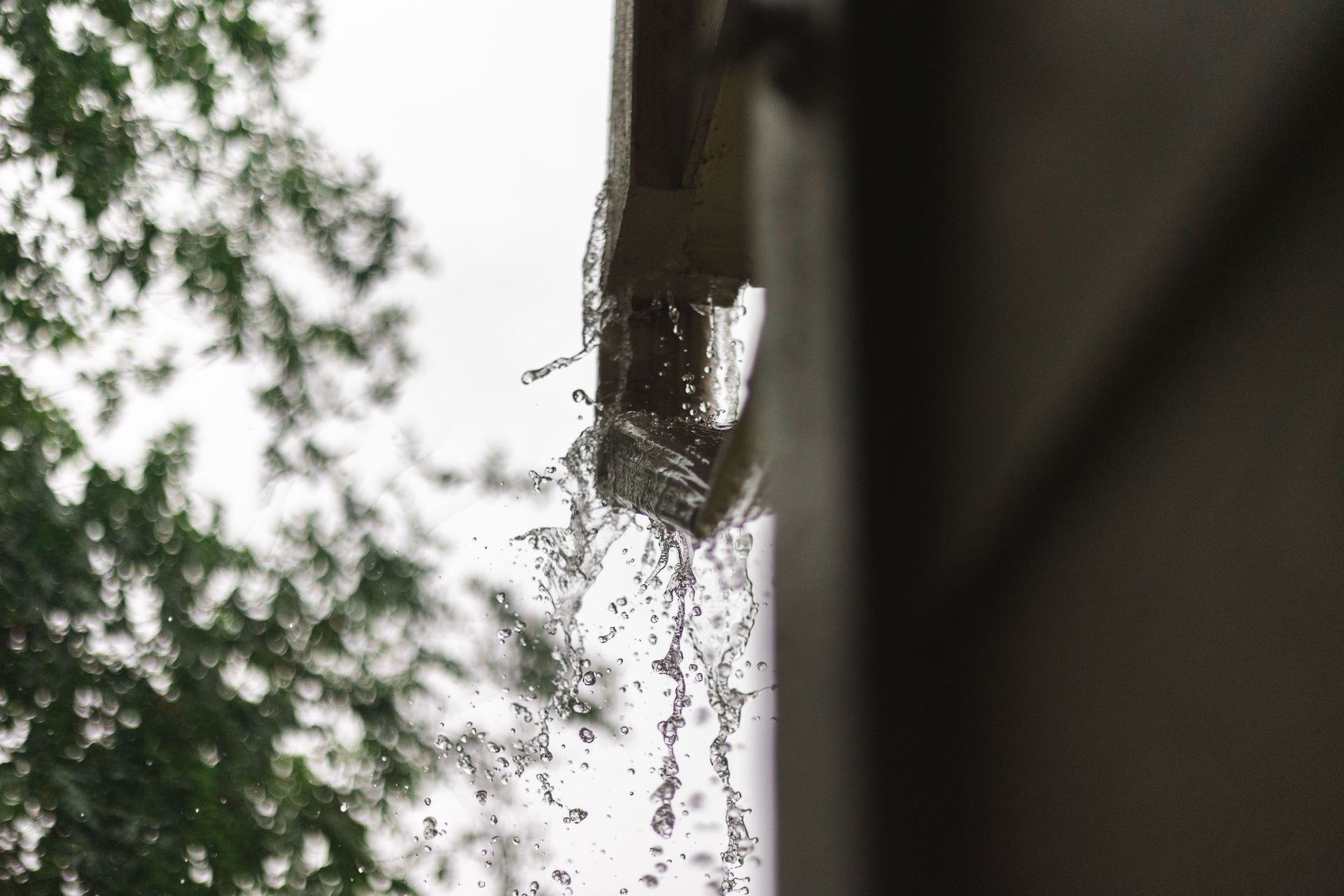
South Wales is wet, and properties near the coast also take a battering from salt air and wind. Gutters that overflow are one of the most common causes of damp in rented homes, because water runs down the wall and soaks into the brickwork. Cleaning them at least once a year, and twice for homes near the sea, is a simple way to prevent it.
Joints and brackets also wear faster in exposed spots. Booking gutter repairs in Barry or along the Vale of Glamorgan coast before winter means leaks are fixed while the weather still allows work at height.
Between tenancies
The void period between tenants is the best chance to catch up on maintenance. Walls can be repaired and repainted, seals renewed, doors and locks adjusted and any snagging from the check-out report put right. The faster this work is done, the shorter the void and the sooner rent starts again.
Landlords with property in Gwent can arrange the same kind of turnaround through Newport property maintenance services, combining clearance, repairs and redecoration so a home is ready for the next tenant in one visit rather than several.
A simple maintenance calendar
- Spring: check the roof and gutters after winter storms.
- Summer: external decoration, repointing and render repairs while it is dry.
- Autumn: clear gutters and drains before the leaves and heavy rain.
- Winter: check for damp, condensation and heating problems.
- Every year: gas safety check, and review when the next electrical report is due.
A rental property that is well looked after keeps its tenants and its value. For more on property investment and renovation, see our property category.