
Business Categories
Starting a Business
Choosing a business, planning your costs and prices, the legal basics and where to get support in your first year.
Starting a small business in the UK
Most new businesses in the UK are small: a sole trader with a van, a treatment room at home or a few regular clients that grow into a full diary. Starting one is more achievable than many people think, but the businesses that last are usually the ones that plan their costs, prices and paperwork properly before they open.
Popular businesses to start
Cleaning
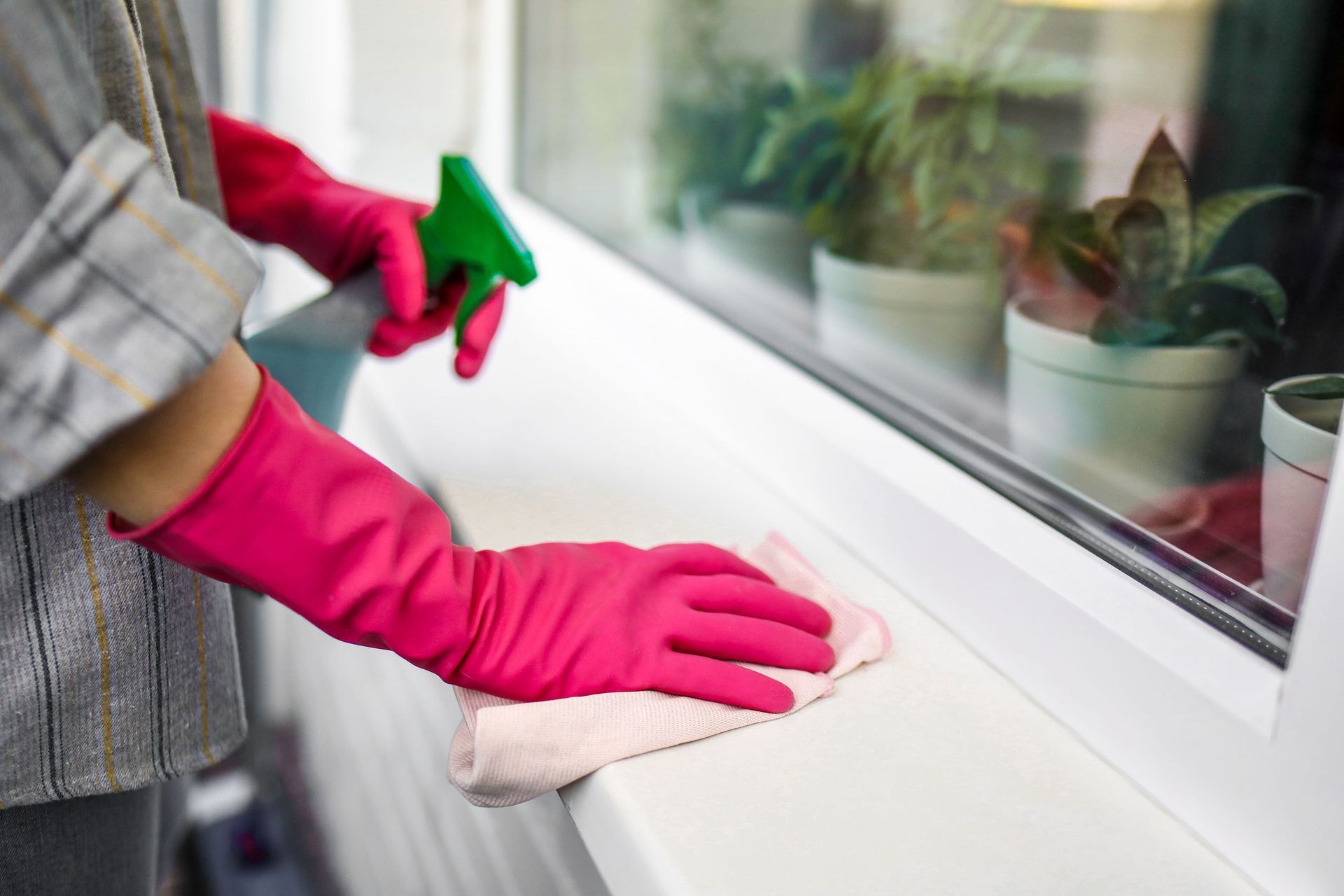
Low start-up costs, no formal qualification and clients who book weekly or fortnightly make domestic and commercial cleaning a popular first business.
Dog grooming
Grooming needs training and good equipment, but most dogs are groomed every few weeks, so a loyal client list builds quickly.
Mobile trades
Mobile mechanics, handymen and gardeners can work from a well-equipped van, keeping overheads low while they build a local reputation.
Plan before you spend
A simple business plan does not need to be long. It should answer a few questions honestly: who your customers are, what competitors charge, what it costs to get started, and how many customers you need each month to cover your costs. Working these numbers out first helps you set prices that actually pay you, rather than discovering months later that you are working for very little.
- Start-up costs: training, equipment, insurance, a van or treatment room, and marketing
- Running costs: fuel, products, software, phone and accountancy
- Pricing: what local competitors charge, and what you need to charge to break even
- Break-even point: the number of jobs each month that covers all your costs
The legal basics
Most new owners start as sole traders and register with HMRC for Self Assessment once their income goes over the £1,000 trading allowance. Public liability insurance is usually the first policy to buy, and employer's liability insurance becomes a legal requirement once you employ staff. Some industries, such as aesthetics, also have their own training, licensing and advertising rules, so check what applies to yours before you open.
Getting support
Many people are skilled at their trade but less confident about budgeting, pricing and marketing. Talking to someone who has helped other small businesses through their first year can make a real difference. Start Up My Business, for example, offers a free start-up consultation, business audits and one-to-one mentoring for service-based micro businesses across the UK.