Railings and Gates for an Older Home: Restoring a Period Frontage
Fixing railings to an old wall, choosing a period style, restoring gates and checking the planning rules
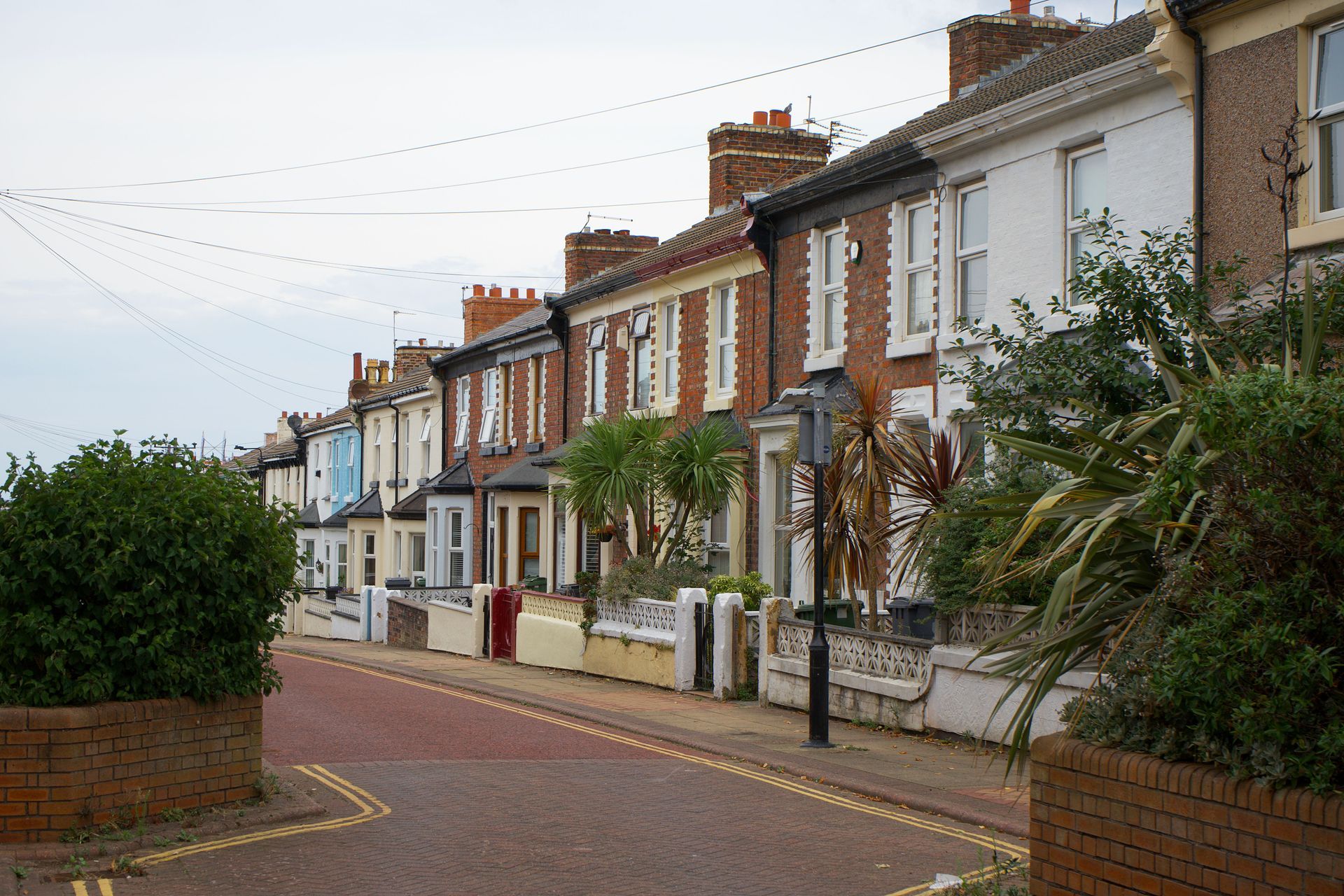
Look along almost any Victorian or Edwardian street and you will see low front walls with a row of fixing holes or stubs of metal along the top. Those are the remains of the original railings, most of which were cut down in the 1940s for the war effort and never replaced. Putting railings and a matching gate back is one of the simplest ways to restore the character of an older house, but it pays to plan the work around the wall, the period and the planning rules.
Start with the wall
Railings are only as sound as what they are fixed to. Before ordering anything, check the top of the wall for loose bricks or copings, cracked render and failed mortar. Old fixing holes are often filled with rusted metal or lead, and these may need drilling out or repairing before new railings go on.
There are two common fixing methods. Where the wall has brick pillars, the railing panels can be screwed into the top of the low wall and into the sides of the pillars. Where there is just a long run of wall, the panels are fixed into the top of the wall with extra support posts set into it along the way. A fabricator who surveys the wall first can tell you which suits yours. Made-to-measure garden wall railings in Derby are usually built to fit the existing pillars and holes rather than to a stock panel size.
Choosing a style that suits the period
Victorian railings were often heavier and more decorative, with spear, fleur de lis or ball tops and cast details. Edwardian and interwar houses tend to suit simpler designs. A few details make the biggest difference:
- Finials: spear and fleur de lis heads look traditional, while ball tops are softer and safer for families
- Bars: round, square or twisted, with basket twists as a decorative feature
- Panels: scrolls, circles or collars between the bars
- Colour: black is traditional, sometimes with gold or silver picked out on the heads
If you have an old photograph of the street, it is worth showing it to the fabricator, as neighbouring houses often had matching designs.
Gates: restore or replace?
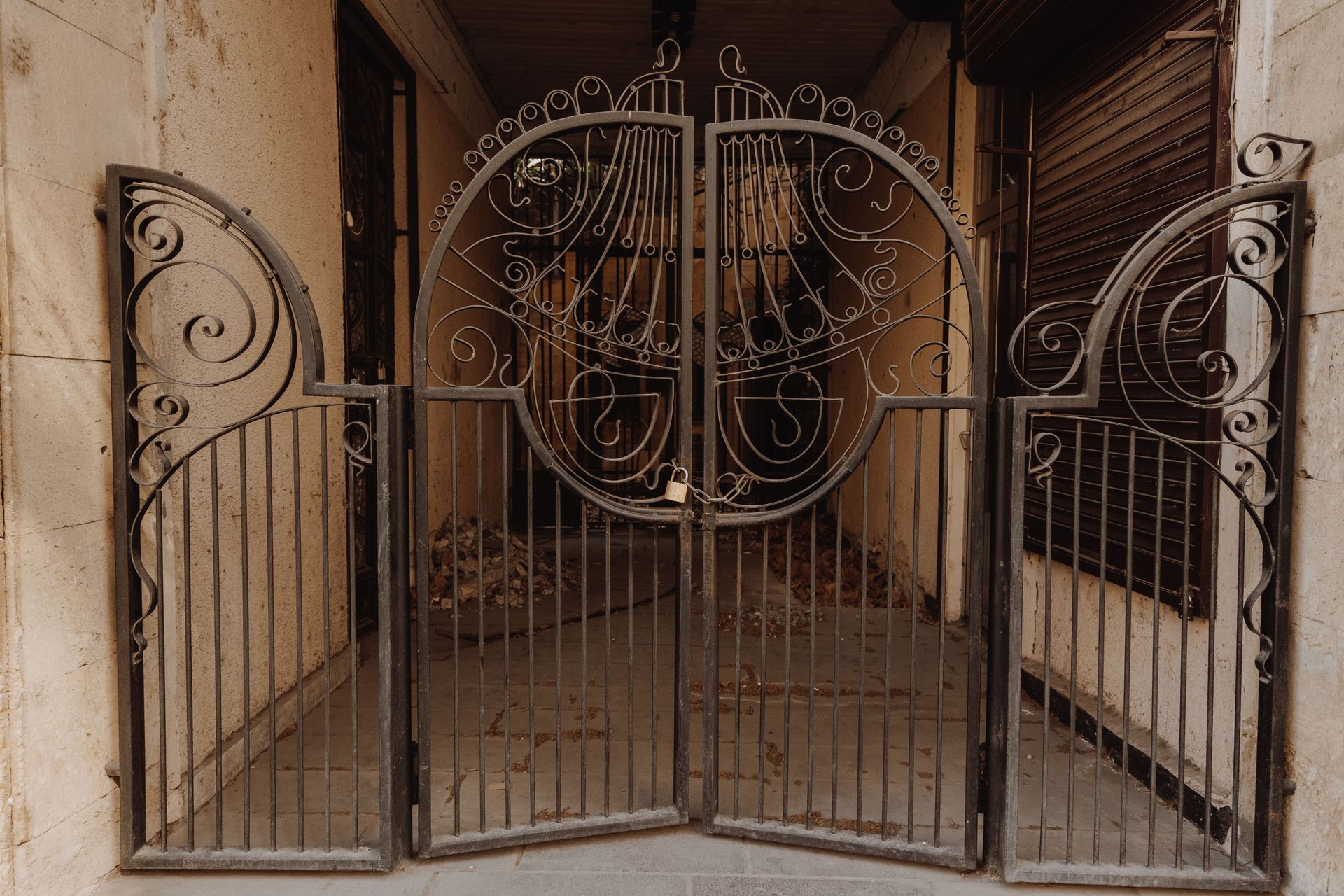
An original gate is worth keeping where it can be saved. Genuine wrought iron has not been made commercially in Britain for decades, so old pieces are usually repaired with reclaimed metal, then shot blasted and refinished. If the original has gone, new traditional wrought iron gates are almost always made from mild steel shaped in the old style, which looks the same once painted and is easier to maintain.
Make sure the gate and the railings are designed together, so that the bar spacing, heights and finials line up across the whole frontage.
Steps up to the front door
Many older houses have steep front steps with no handrail at all. A slim metal rail, wall-mounted where the wall is sound or fixed to posts where it is not, makes the steps far safer in wet or icy weather. Matching external handrails for front steps to the railings and gate keeps the frontage consistent rather than looking like an afterthought.
Planning and conservation areas
In England, a new wall, fence, gate or railing next to a road used by vehicles can usually be built without planning permission if it is no more than 1 metre high, measured from the ground. Away from the road, the limit is normally 2 metres. The height includes the wall, so a 700mm wall leaves room for about 300mm of railing on a roadside frontage without permission.
The rules are stricter for listed buildings, which normally need listed building consent, and in conservation areas, where extra controls may apply. Derby has several conservation areas covering older streets, so check with the council before ordering if your house is in one.
A short checklist
- Survey the wall: repair loose bricks, copings and old fixing holes first.
- Gather references: old photographs or neighbouring railings.
- Check planning: height limits, listed status and conservation areas.
- Design as a set: railings, gate and handrail together.
- Agree the finish: primer and powder coating or hand painting, and the colour.
Done well, new railings look as though they have always been there. For more ideas on gardens and boundaries, see our landscaping category.