Decking Ideas for Sheffield Gardens: Layouts, Levels and Finishing Touches
How to plan a deck around the way you live, make the most of a sloping garden and add the details that make it feel finished.
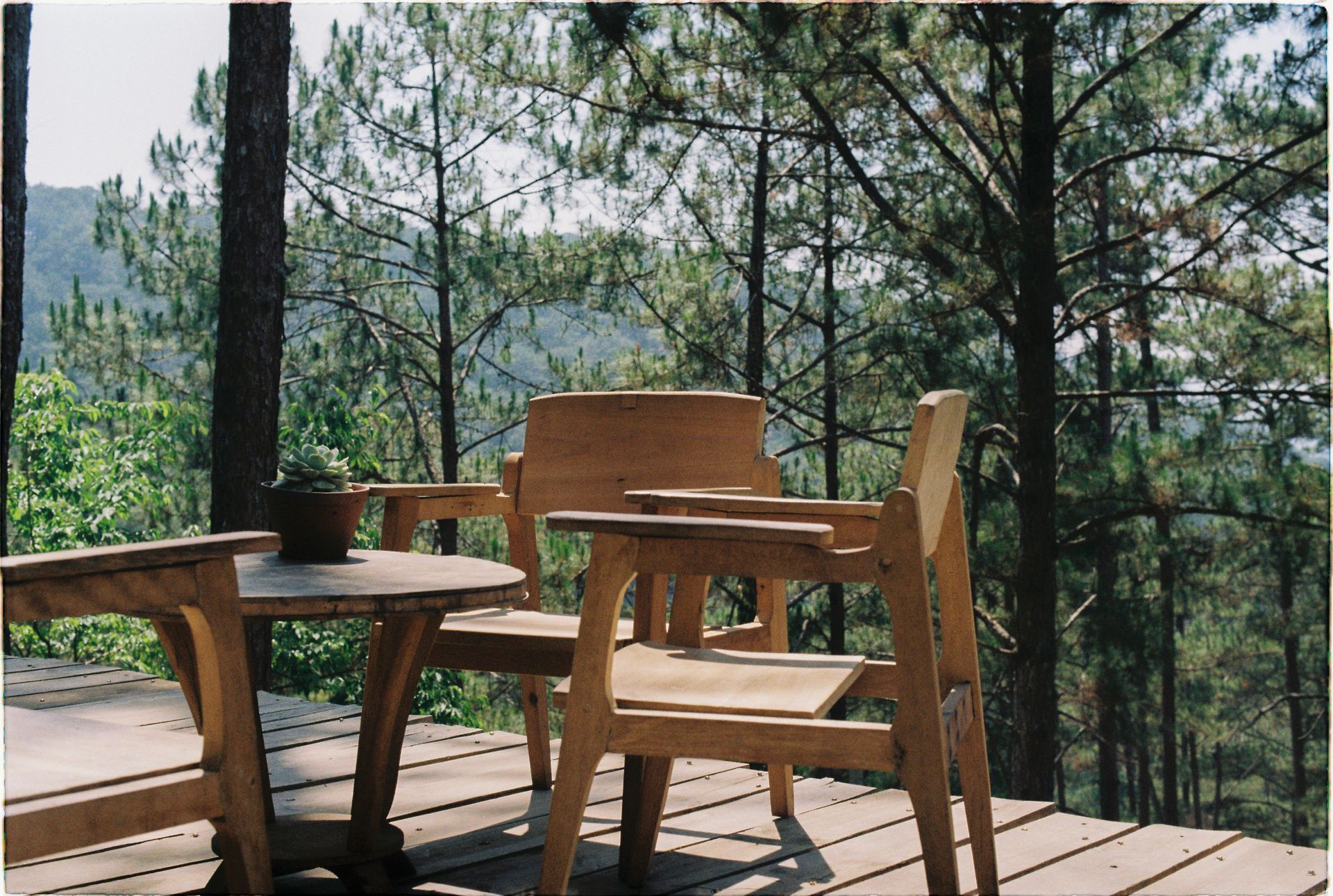
A deck is one of the few garden projects that can change how a whole house is used. Done well, it becomes an extra room for half the year: somewhere to eat, work, play or simply sit in the evening sun. Done badly, it is a slippery platform in the wrong corner that nobody uses. The difference is almost always in the planning, and most of the best ideas start with a few simple questions about how you want to use the space.
Start with what the deck is for
Before thinking about boards and colours, decide what the deck needs to do. A dining deck works best close to the kitchen, ideally level with the back door. A quiet seating area may be better at the far end of the garden, where it catches the evening sun and feels separate from the house. A deck for children's play needs space to run around and is easier to supervise if it can be seen from indoors.
Size should follow purpose. There is no fixed rule, but a dining table with chairs pulled out needs more room than most people expect, and a deck that fills the whole garden can feel overbearing. Marking the outline on the ground before any work starts is a simple way to check the proportions.
Using levels on sloping gardens
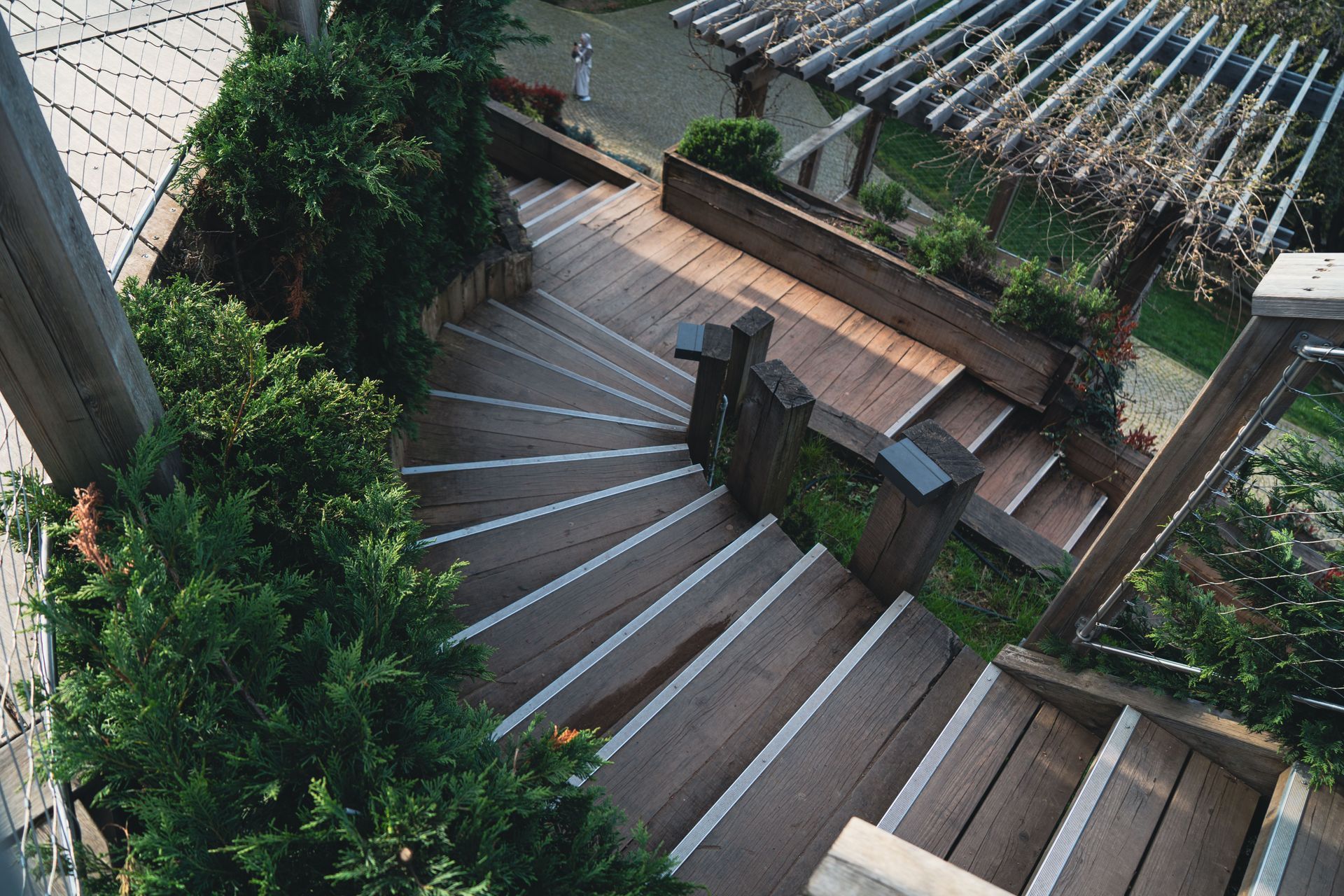
Many Sheffield gardens slope, and this is where decking really comes into its own. A raised deck can turn a steep or awkward garden into usable level space without the cost of major earthworks. Split-level designs, with two or three platforms joined by wide steps, can make a long sloping garden feel like a series of outdoor rooms.
Raised decks bring extra considerations. Once the walking surface is more than 600mm above the ground, guarding is needed along open edges, and the frame has to be designed for the height. In England, decking more than 300mm above the ground usually needs planning permission, so it is worth checking early.
Details that make a deck feel finished
- Board direction: horizontal, diagonal, chevron and picture-frame layouts all change how a deck looks and how large it feels.
- Built-in seating: benches along the edge save space and can hide storage underneath.
- Planting: sleeper raised beds or a deck built around an existing tree soften the hard edges.
- Balustrades: glass keeps the view open, while rope, metal or composite designs give a different character.
- Lighting: recessed lights in the steps and edges make the deck safe and inviting after dark.
- Accessibility: a gently graded route can give wheelchair users and older relatives level access to the garden.
For more inspiration, there is a good collection of decking design ideas covering raised decks, small gardens and board layouts.
Think about the whole garden
A new deck often shows up a tired fence behind it, so it makes sense to plan the boundary at the same time. Closeboard, hit-and-miss and slatted designs each suit a different look and level of privacy, and posts and gravel boards matter more to how long a fence lasts than the panels themselves. If you are updating the boundary too, compare options for garden fencing in Sheffield alongside the deck quote.
A deck is also the natural base for a garden building. An insulated, double-glazed room with power can sit at one end of the deck and become an office, studio or gym, and the two are easier to get right when they are designed together. Specialists in garden rooms and offices in Sheffield can build the room and the deck that leads up to it as one project.
Choosing who builds it
The frame underneath does more to decide how long a deck lasts than the boards on top. Ask how the frame will be built and fixed, how the ground will be prepared, and how water will drain away. Experienced decking specialists in Sheffield can usually give a provisional quote from photos and rough measurements, then confirm the details on site.
With a clear purpose, the right levels and a few well-chosen details, a deck can become the most used part of the garden. For more on planning outdoor work, see our landscaping category.