Presenting an Idea with 3D Printed Models and Prototypes
How physical models win over clients, investors and planners
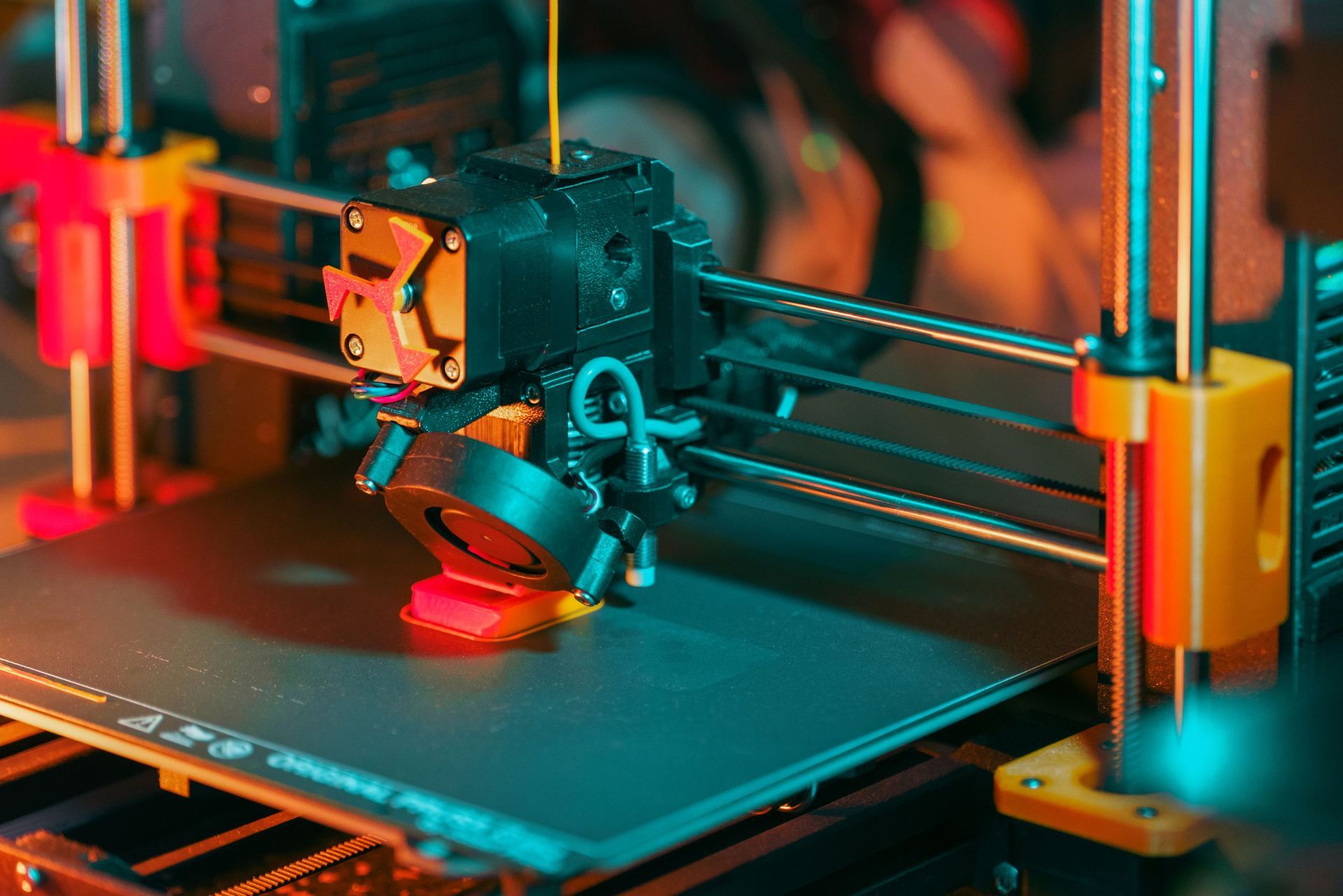
A drawing on a screen only goes so far. When you need to win over a client, a planning committee, a board or an investor, a physical model that people can pick up and turn in their hands often does more than any slide. 3D design and printing have made those models far quicker and cheaper to produce, whether the idea is a new product, a building or an engineering project.
Where physical models make the difference
- Product pitches: a realistic model shows size, shape and how the product will be used far better than a render
- Architecture and property: scale models help clients and neighbours understand a scheme before work starts
- Investor and board presentations: something tangible makes an early-stage idea feel real and shows that work has already been done
- Student and engineering projects: printed models let students test and present their designs rather than just describe them
- Trade shows: a model can stand in for a product that is not yet in production
Start with a good 3D model
Every printed model begins as a 3D CAD file. If you do not have one, a designer can usually create it from 2D drawings, sketches, an existing item or even a broken part with enough detail to measure. A 3D design service in Nottingham, for example, will build a visual model that you can review and change before anything is printed, so problems are spotted early rather than after the print.
For presentation models, tell the designer how the model will be used. A model that only needs to look right can be simplified inside, while one that will be handled, opened or demonstrated needs stronger walls and working parts.
Scale and size
Many printers have a build area of around the size of a shoebox, so decide early whether the model will be printed at full size or to scale. Larger models can be printed in sections and assembled, which also makes them easier to transport. For architectural work, common scales such as 1:100 or 1:200 keep a whole building on a desk while showing enough detail to be useful.
From presentation model to working prototype
A model that impresses in a meeting is often the first step towards a working product. Once the idea has support, the same 3D file can be developed into functional test parts. Rapid prototyping lets you print several versions at once, check fit and function, and refine the design before committing to tooling or full production. Simple designs can often go from concept to printed part in about a week, while more complex projects take longer.
Tips for a better result
- Share everything you have: drawings, dimensions, photos and reference items all help.
- Ask about confidentiality: a non-disclosure agreement protects an unpatented idea.
- Approve the design first: check the 3D model carefully before printing starts.
- Choose the right material: a display model and a load-bearing part may need different plastics.
- Allow time for changes: build in at least one round of adjustments before the big presentation.
A well-made model can turn a good idea into one that people understand straight away. For more on how 3D printing companies work and what they offer, see our 3D printing category.