Clearing a Loved One's Home: A Practical Guide for Families
What to do first, what to keep and how to plan the clearance

Clearing the home of someone who has died is one of the hardest jobs a family can face. It comes at a time of grief, often alongside probate paperwork, a property sale or a tenancy deadline, and it can feel overwhelming to know where to start. A little planning makes the process gentler and helps make sure nothing important is lost.
Do not rush the first steps
Unless there is a tenancy or sale deadline, there is rarely a need to clear a home straight away. Before anything is removed, check who has the legal authority to deal with the estate. This is usually the executor named in the will, or the administrator if there is no will. Items left to particular people in the will need to be identified and set aside first.
Search for documents and valuables
Important papers and small valuables are often kept in unexpected places. Before a clearance, look carefully through:
- Drawers, cupboards and bedside tables: wills, bank statements, deeds and insurance policies
- Pockets, handbags and coats: cash, keys and jewellery
- Books, boxes and envelopes: photographs, letters and certificates
- The loft, under the stairs and outbuildings: forgotten boxes and family heirlooms
An experienced team will also keep an eye out while they work. A specialist in bereavement house clearance in Cardiff, for example, works room by room, sets aside documents, photographs and possible valuables for the family, and builds the clearance around the family's own timetable.
Decide what happens to everything
Agree as a family which items each person would like to keep, and be specific. A list or a few coloured stickers is far easier to work with than a general instruction to save "anything personal". The rest of the contents usually falls into four groups:
- Keep: sentimental items, documents and anything left in the will.
- Sell: antiques, collectables and good-quality furniture, often through an auction house.
- Donate: clean, undamaged items that local charities can accept.
- Recycle or dispose of: everything else, through licensed recycling and waste routes.
Do not forget the garage and garden
Outbuildings are easy to overlook until the last minute, and they can hold years of tools, paint tins, bikes and boxes. A full garage clearance can usually be done on the same visit as the house, but let the clearance company know about any tyres, oil, batteries or chemicals in advance, as these need specific handling. If an older garage has a corrugated cement roof, mention it too, as it may contain asbestos and need a licensed specialist.
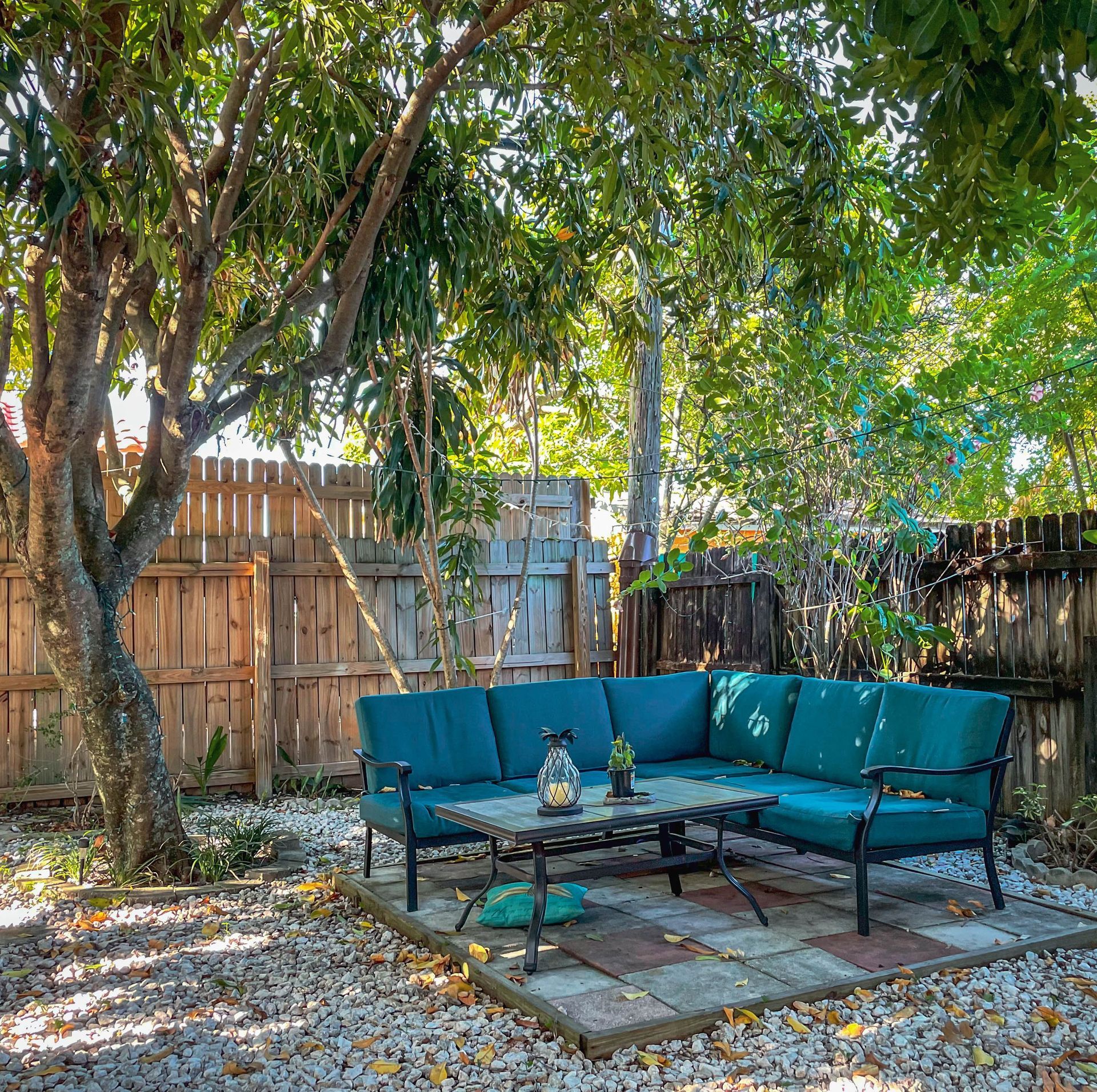
If the property is going on the market, an overgrown garden can also put buyers off. A garden clearance service can remove green waste, old sheds and broken garden furniture so the outside space makes a good first impression.
Choosing a clearance company
- Check that they are a registered waste carrier and will give you a waste transfer note
- Ask where items will go, and how much will be donated, sold or recycled
- Ask for a written quote; many companies can quote from photos
- Agree how documents and possible valuables will be handled
- Choose a team that is happy to work around the family and will not rush you
Handled with care, a clearance can be a respectful final step rather than a stressful one. For more on dealing with household and garden waste, see our waste and rubbish clearance category.