Ear Syringing, Irrigation or Microsuction? How Ear Wax Removal Has Changed
Why old-style syringing has been replaced, how electronic irrigation and microsuction compare, and how to get the best result from ear wax removal.
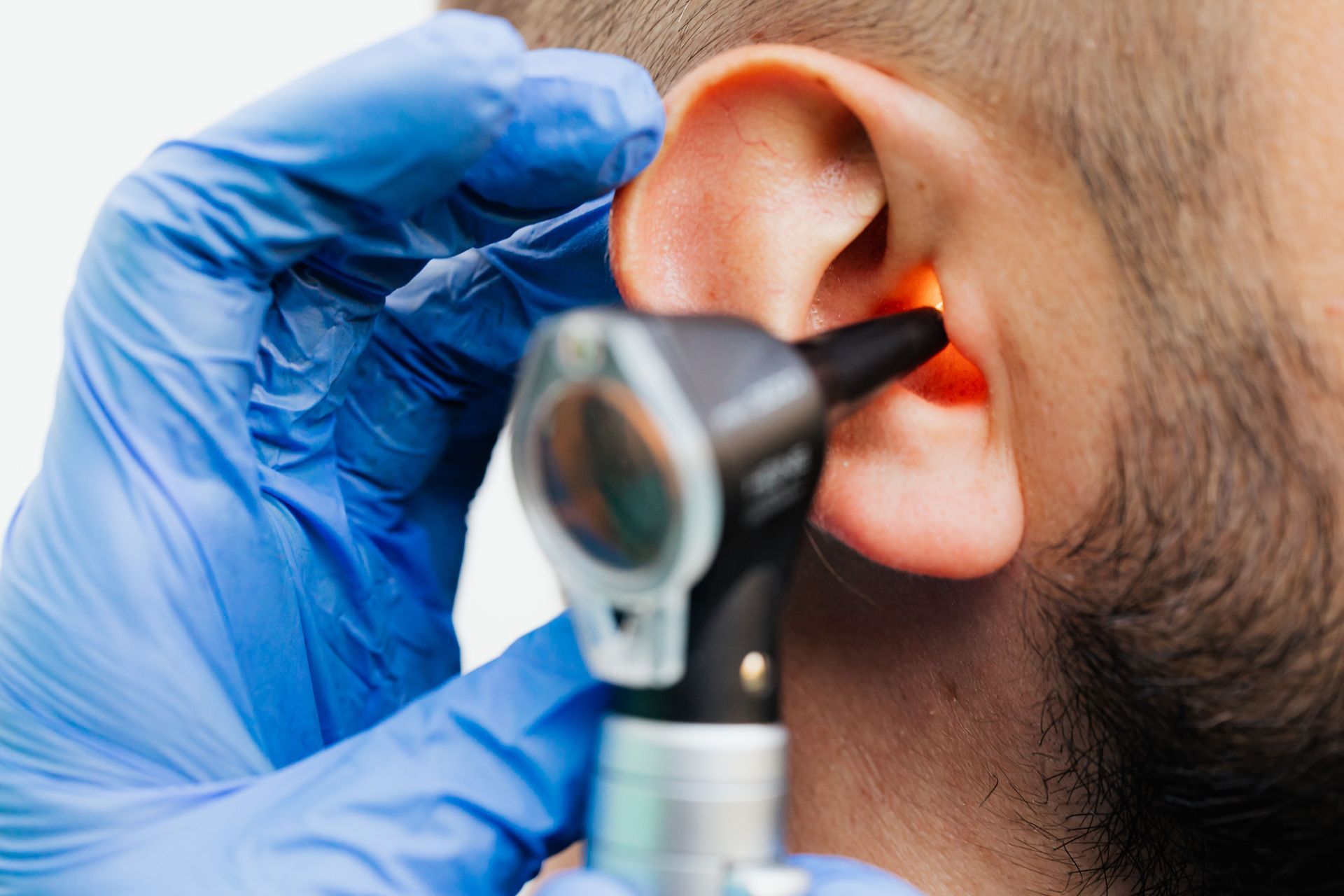
Not long ago, ear wax was dealt with at the GP surgery with a large metal syringe. Today many surgeries no longer offer routine wax removal, and people are more likely to visit a private clinic using microsuction or electronic irrigation. The methods have changed for good reasons, and knowing the difference helps you choose the right treatment.
Old-style syringing
Traditional ear syringing used a hand-pressed metal syringe to push warm water into the ear canal. Because the pressure depended on the person pressing the plunger, it could vary from one push to the next, and that carried a risk of damage to the ear canal or eardrum. It has largely been replaced by safer methods, and home syringe kits carry similar risks. Anyone searching for ear syringing in Nottingham today will find clinics using modern irrigation instead.
Electronic irrigation
Irrigation still uses warm water, but a machine keeps the flow steady and lets the pressure rise gradually. The tip sits just inside the ear and a small bowl catches the water. It works well for softened wax, but it is not suitable for anyone with a perforated eardrum, recent ear surgery, grommets or an ear infection.
Microsuction
Microsuction uses a fine tube and gentle suction under light and magnification, so no water goes into the ear. It takes around 12 minutes per ear on average and is noisy rather than painful. It suits people who cannot have irrigation, and wax that sits deep in the canal. A practitioner offering ear microsuction will often use it alongside irrigation, choosing whichever suits the wax best.
Getting the best result
- Prepare: use an olive oil spray twice a day for three to five days beforehand.
- Avoid cotton buds: they push wax deeper and can damage the ear canal.
- Check the screen: a good clinic shows you the inside of your ears on a camera before and after treatment.
- Keep ears dry afterwards: for four to five days, especially after irrigation.
The best method is the one that suits your ears and your wax, and a practitioner who offers both can choose on the day. For more on looking after your health and wellbeing, see our health and wellbeing category.