Facial Aesthetics and Botox: A Subtle Way to Refresh Your Appearance
Using Aesthetic procedures to defy the aging process
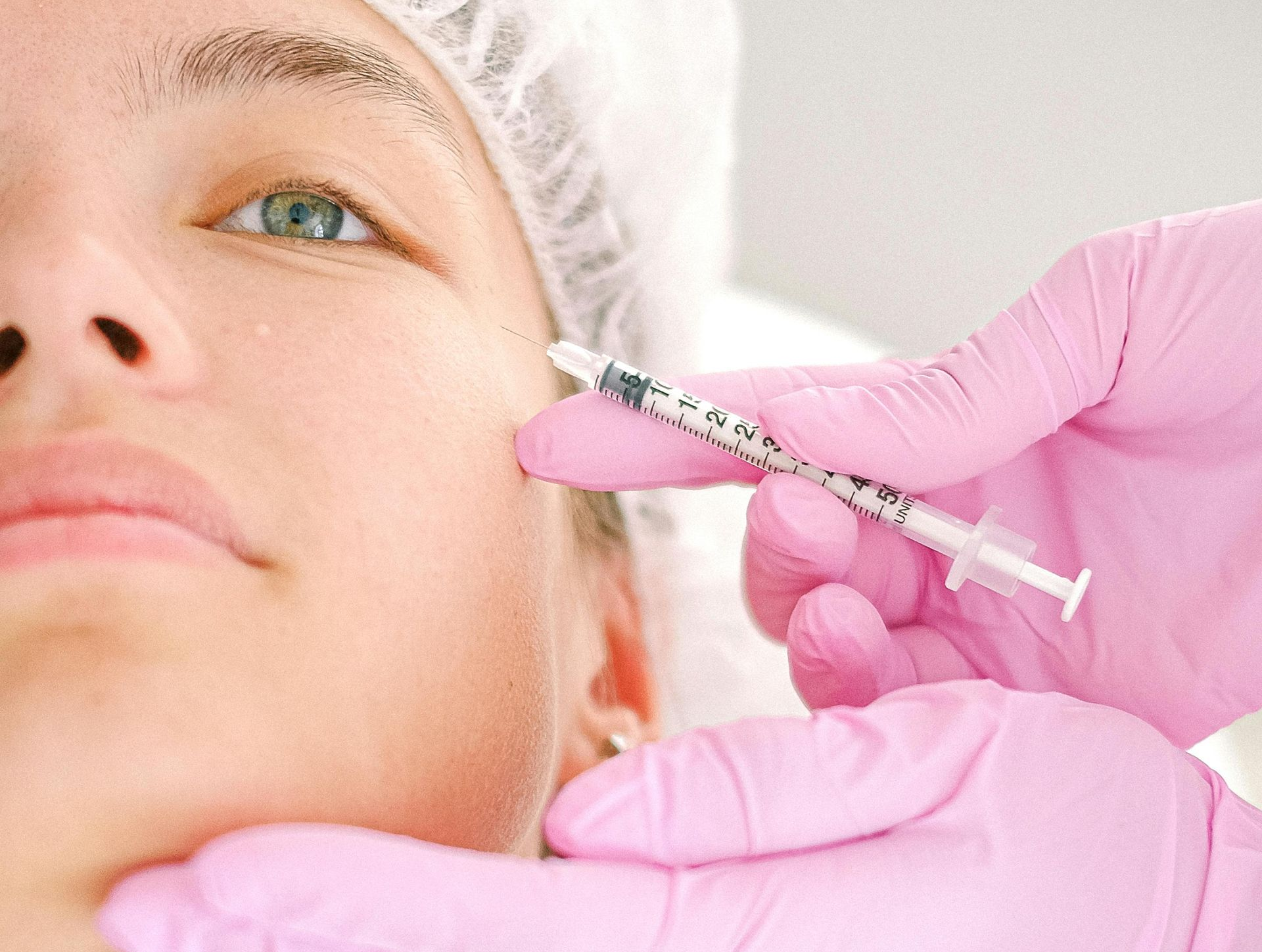
Facial aesthetics has become one of the most popular routes for people who want to look fresher, more confident and well-rested without undergoing surgery. Among the best-known treatments is Botox, a brand name commonly used to describe botulinum toxin injections. When carried out correctly, Botox can help soften the appearance of fine lines and dynamic wrinkles caused by repeated facial movement.
For many people, the appeal of facial aesthetics is not about looking dramatically different. It is about small, considered improvements that help them feel more comfortable in their own skin.
What Is Botox Used For?
Botox is most commonly used to target expression lines, they are often referred to as anti-wrinkle injections. These are the lines that appear when you frown, smile, squint or raise your eyebrows. Over time, repeated muscle movement can cause these lines to become more visible, even when the face is relaxed.
Common treatment areas include:
- Forehead lines
- Frown lines between the brows
- Crow’s feet around the eyes
- Bunny lines around the nose
- Chin dimpling
- Neck bands
- Jawline slimming in suitable cases
Botox works by temporarily relaxing selected muscles. This helps reduce the strength of repeated movement, allowing the overlying skin to appear smoother and softer.
Natural-Looking Facial Aesthetics
One of the biggest concerns people have about Botox is looking “frozen” or overdone. A good facial aesthetics practitioner should always aim for balance, not exaggeration. The best results usually come from a careful consultation, precise product placement and a conservative approach.
Modern Botox treatments are often focused on preserving natural facial expression while reducing harsh lines. The goal is usually to look refreshed, not noticeably treated.
Why Consultation Matters
Botox is a prescription-only medicine in the UK and should only be prescribed following an appropriate consultation with a qualified healthcare professional. The NHS advises that botulinum toxin injections, including Botox, must be prescribed after a consultation and that the person administering the treatment should be trained and safe to do so.
A proper consultation should include a discussion about your goals, medical history, facial movement, suitability for treatment, expected results and possible side effects. This is also the right time to ask about the practitioner’s training, insurance, aftercare and product being used.
How Long Does Botox Last?
Results are not instant. Most people begin to notice changes within a few days, with the full effect usually developing over around two weeks. The results are temporary and commonly last around three to four months, although this can vary depending on the individual, treatment area, dose and lifestyle factors.
Regular maintenance appointments may help keep results consistent, but treatments should never feel rushed or excessive. A responsible practitioner will advise on safe spacing between appointments.
Choosing a Safe Botox Practitioner
With facial aesthetics becoming more widely available, choosing the right provider is essential. Botox should not be treated as a quick beauty add-on. It is a medical aesthetic treatment requiring knowledge of facial anatomy, safe prescribing and complication management.
In England, it is illegal to administer botulinum toxin or cosmetic fillers for cosmetic purposes to anyone under the age of 18. This reinforces the importance of choosing a reputable clinic, such as Signature Aesthetics in Nottingham, that follows proper legal and professional standards.
Before booking, look for:
- A thorough consultation process
- Clear aftercare advice
- Transparent pricing
- Professional qualifications
- Medical oversight where required
- Genuine before-and-after examples
- A calm, no-pressure approach
Is Botox Right for You?
Botox may be suitable if you are concerned about expression lines, want a more rested look, or are considering preventative facial aesthetics. However, it is not the right option for every concern. Static lines, volume loss, skin texture and deeper folds may be better treated with other options such as dermal fillers, skin boosters, chemical peels or microneedling.
The best approach is always personalised. A good clinic will assess your face as a whole rather than simply treating isolated lines.
Final Thoughts
Facial aesthetics and Botox can offer subtle, confidence-boosting results when carried out safely and professionally. The key is choosing a qualified practitioner who understands facial balance, listens to your goals and prioritises natural-looking outcomes.
Whether you are new to Botox or considering a maintenance appointment, a professional consultation is the best place to start.