Dermaplaning, Chemical Peel or Skin Tightening? Choosing a Clinical Skin Treatment
What dermaplaning, chemical peels and plasma skin tightening each do, who they suit and how to choose the right one.
Clinical skin treatments have moved well beyond the standard facial. Dermaplaning, chemical peels and plasma skin tightening are three of the most requested, but they do very different jobs. Knowing what each one does, and what it does not, makes it much easier to book the right treatment and avoid paying for one that will not give you the result you want.
Dermaplaning: smooth, bright skin
Dermaplaning uses a sterile surgical blade to gently remove the top layer of dead skin cells along with fine facial hair, often called peach fuzz. It is quick, comfortable and has no downtime, so it suits anyone who wants smoother, brighter skin that holds make-up better.
- Best for: dull skin, rough texture and peach fuzz
- Downtime: none, although the skin may look slightly pink for a few hours
- How often: commonly every four weeks or so, in line with the skin's natural renewal cycle
A dermaplaning facial in Coventry or elsewhere is also a popular first step before a peel, as removing the surface layer helps the peel work more evenly.
Chemical peels: tone, texture and breakouts
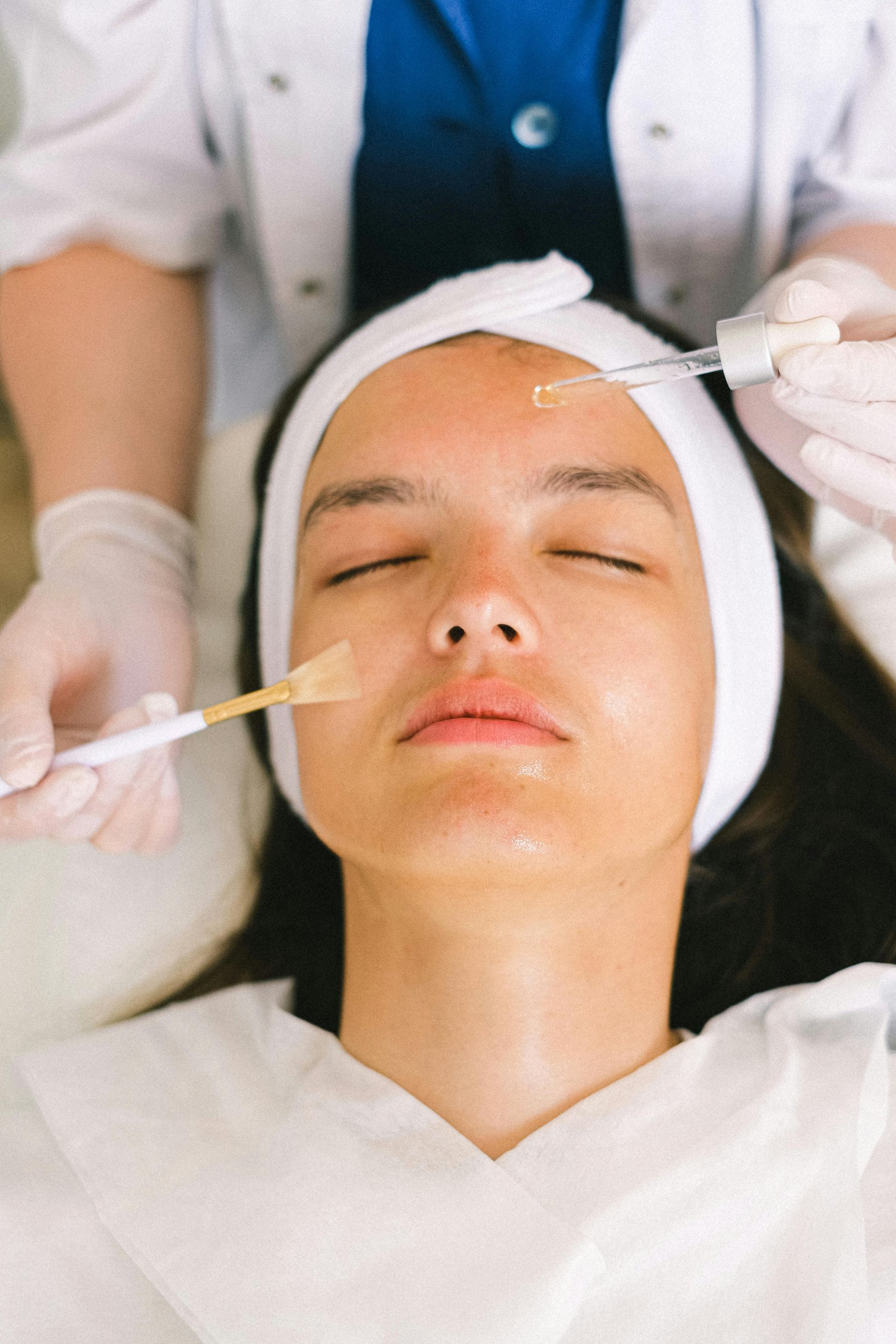
Peels use acids or enzymes to exfoliate the skin more deeply than a facial can. The type of peel is matched to the skin and the concern:
- Glycolic: often used for signs of ageing and sun damage
- Lactic: gentler, and suited to dry or sensitive skin
- Salicylic: works inside the pores, so it is popular for acne-prone skin
- Enzyme: a very gentle option for skin that does not tolerate acids well
Most people see the best results from a course rather than a single treatment, and professional chemical peels are often combined with home care and daily sun protection to protect the new skin.
Plasma skin tightening: loose or crepey skin
Plasma treatments use a small device that creates a tiny arc of energy above the skin, heating the deeper layers to encourage new collagen and elastin. It is used on areas such as the upper eyelids, jawline, neck and tummy.
- Best for: mild to moderate loose or sagging skin where surgery is not wanted
- Downtime: small crusts form and usually fall away within about a week
- Results: develop gradually over the following weeks as collagen builds
Because it is more involved than a facial or peel, non-surgical plasma skin tightening should always start with a consultation to check the skin is suitable and to plan aftercare.
Which one should you book?
- Your skin looks dull or feels rough: dermaplaning
- You have uneven tone, breakouts or early lines: a course of chemical peels
- Your skin has lost firmness in a specific area: plasma skin tightening
A good practitioner will assess your skin first and may recommend combining treatments for the best result. For more guides to skin and beauty treatments, see our aesthetics, skin and beauty category.